

Featured Projects
|
Remote research often provides flawed insights into the lifestyles and workplaces of the interviewees. How might research tools evolve to get better contextual insights from users without losing the inherent advantages of remote research? |
Digital tools exist for creating practically every type of artistic, creative, or communicative digital artifact, including pictures, music, video, and computer animation. This project explores a combined AI-HCI approach to participatory intelligent agents that help amateurs create digital moving image media, such as machinima. 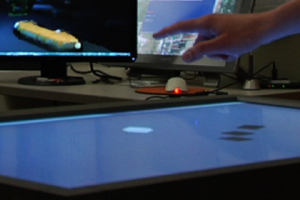 |
Equipping students with disabilities with the right accommodation helps them experience greater independence and self-esteem, which set them up for success. However, at present, many barriers inhibit these students from obtaining the right accommodation. This project seeks to explore these barriers, and to build a platform that helps students with disabilities overcome them, by providing them easy access to assistive technology and a chance to interact with peers and experts, thus building a supportive community around them. |
About GVU

RESEARCH
23 Core Areas

PEOPLE
300 Researchers

PROJECTS
250 Current

LABS
80 Partners

FUNDING
$9 Million in Grants
GVU Resource Labs

App Lab
Built for Success
A mobile computing "hackerspace."
Visit the App Lab website
Location: TSRB 333

GVU Prototyping Lab
From Concept to Creation
A rapid prototyping "makerspace."
Visit the Prototyping Lab website
Location: TSRB Basement

GVU Craft Lab
Making for All
A soft-goods "makerspace."
Visit the Craft Lab website
Location: TSRB 225B

Usability Lab
Testing Methods and Technology
An adaptable project testing space.
Visit the Usability Lab website
Location: TSRB 216
