Small Farmers Being Weighed Down by Food Traceability Rule, New Paper Finds
The Food and Drug Administration’s (FDA) Food Traceability Rule requires producers and distributors of perishable foods to submit electronic data records during a contamination outbreak.
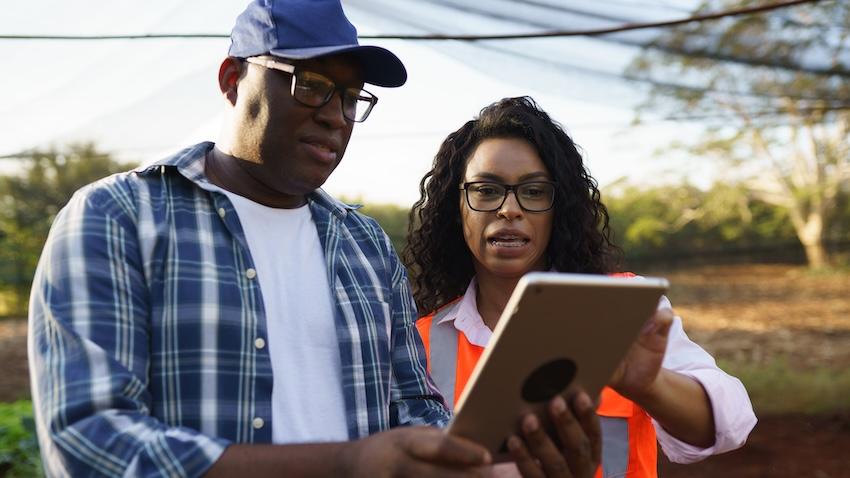
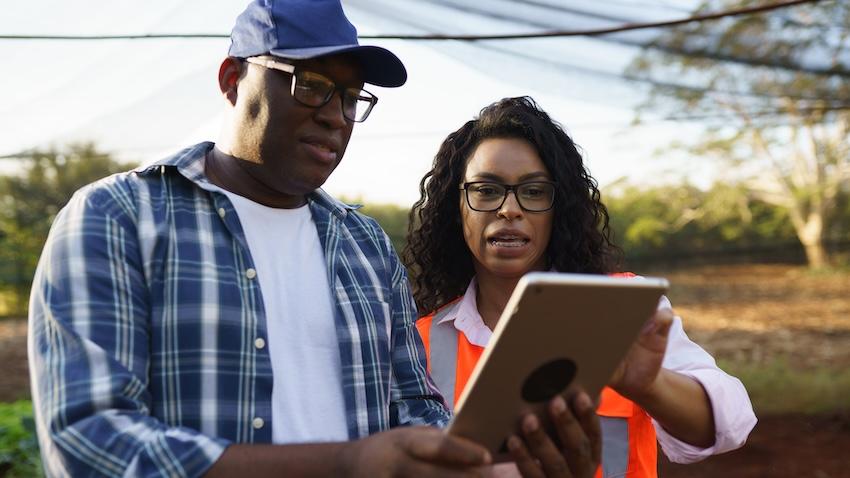
However, a new paper by a Georgia Tech-led research team suggests that the requirements can disproportionately burden family farms and other small food producers due to a lack of technological infrastructure, resources, or compliance expertise.
The rule is mandated by Section 204(d) of the Food Safety Modernization Act, which Congress passed and President Barack Obama signed into law in 2011. Intended to help the FDA quickly identify the source of contamination, the rule requires producers or distributors with more than $25,000 in annual produce sales to comply or face significant fines.
Earlier this year, the FDA extended its compliance deadline to July 2028. One reason for the extension may be the volume of feedback from stakeholders affected by the rule. The FDA received more than 1,200 comments during an open forum, with feedback from stakeholders ranging from major distributors to small farmers.

“Many small farmers commented on how they may not have the devices needed to input

this data,” said Soonho Kwon, a Ph.D. student in Georgia Tech’s School of Interactive Computing (SIC) and lead author of the paper. “Does this mean they have to purchase it themselves? Do they need to become educated on how to use computing systems?”
Kwon is a member of the Equity and Sustainability in Computing Lab, which is led by SIC professor and chair Shaowen Bardzell.
Burdensome Data Tracking
Many small farms also said they can’t afford to hire someone to track the data.
One small farmer said the amount of data tracking required by the rule is overwhelming. Some of the required data include:
- location and name of the field where food was harvested
- date of harvest
- packing dates
- shipping dates
“Please do not force us to do technology stuff,” the commenter said. “It’s hard enough to keep up with the local demand as it is. We run a pretty low digital technology effort. It’s basically harvest fresh organically grown veggies and sell them to local people.”
Kwon said the intention of the Food Traceability Rule is admirable.
“Preventing foodborne illness is critical, and data- and technology-driven governance can be a powerful tool toward that goal,” he said. “But it’s equally important to think critically about who is supposed to be the default user of these systems, and who gets missed in the process. It’s undermining the people who are unable to comply.”
Other factors didn’t appear to be considered by the FDA, including the lack of technological infrastructure in rural America, where many foods are grown.
“Many parts of rural America have limited or unreliable internet access,” Kwon said. “If the FDA wants them to send this data, they must comply within 24 hours. Does that mean they have to stop their daily routine and drive to a city that has internet to send it? The rule is operating on the assumption that everyone is dealing with the same physical environment.”
Culture and religion also seem overlooked. Some commenters raised concerns that Amish farmers who avoid certain technologies for religious reasons would be pressured into digital record keeping.
How Computing Can Intervene
Many major distributors and organizations expressed support for the Food Traceability Rule in the FDA’s forum. Catherine Wieczorek, a Ph.D. student in SIC and co-author on the paper, said these organizations don’t have the same tension points as smaller producers.
“Larger food producers have the operational capacity to do the type of work the rule requires,” Wieczorek said. “We find there’s a power imbalance when it comes to smaller food producers like a family farm. Change at that scale is difficult for smaller producers.”
Bardzell, who advises Kwon and Wieczorek, said the situation provides computing researchers an opportunity to create interventions that will benefit those with fewer resources.
“In a data age when we’re adding AI into our work processes and labor practices, we need to think about how this need creates unequal burdens on different stakeholders in our food system,” Bardzell said. “It’s a significant challenge for computing going forward.”
Kwon will present the paper on behalf of his collaborators next week at the ACM Conference on Computer-Supported Cooperative Work and Social Computing (CSCW) in Salt Lake City, Utah. Their research is supported by the National Science Foundation.