Alumni Relations Director Drives New Era of Engagement at GT Computing
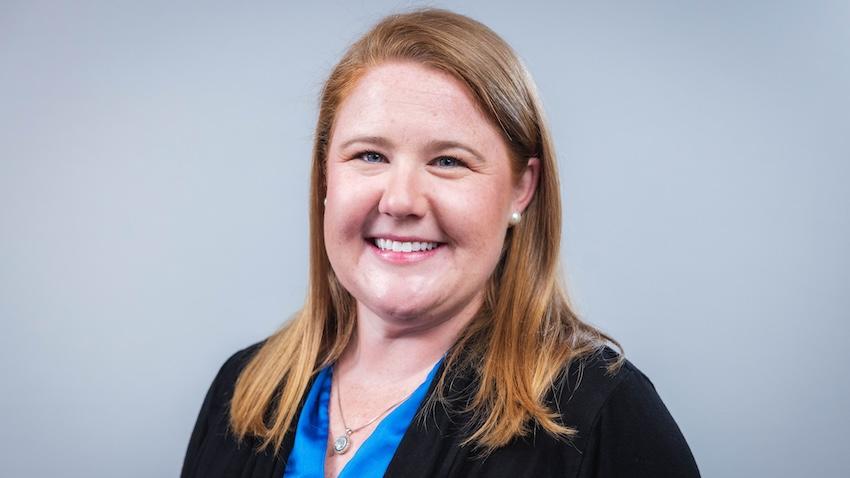
With membership nearly doubling to 45,000 in just ten years, the Georgia Tech College of Computing alumni network isn’t just growing—it’s surging. At the heart of this expansion is Amanda Moore, the College’s alumni relations director.
In just eight months on the job, Moore has transformed how the College connects with its graduates, replacing standard outreach with a dynamic schedule of national events and strategic initiatives designed to turn a vast network into a tight-knit community.
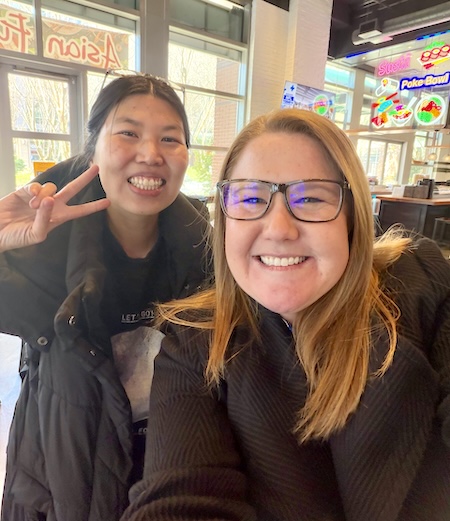
Her approach is both strategic and personal: meet alumni where they are, create meaningful engagement opportunities, and strengthen connections between graduates, students, and the College.
“I’ve been impressed with Amanda’s ability to get things done effectively and decisively,” said Jason Zwang, GT Computing senior development director. “She’s organized a series of highly successful events and maintained a steady cadence of individual meetings with some of our most influential alumni.
“I’m confident that she’ll continue to bring thoughtful, big‑picture leadership and strategic direction as the College’s alumni program matures.”
Moore’s work is generating a lot of buzz. Registration for a recent alumni event in New York City closed after reaching the venue’s top capacity of nearly 100 guests within an hour of opening. Similar excitement has followed events in Seattle and Washington, D.C., where alumni gathered to network, hear campus updates, and discuss industry trends and research.
“These events are really about creating space,” Moore said. “Space for people to reconnect, to network, and to remember their time here—but also to see how they can stay involved moving forward.”
Moore’s travel schedule highlights where those connections are strongest. Along with Atlanta, key alumni hubs include Seattle and the San Francisco Bay Area on the West Coast, and New York City and Washington DC on the East Coast. Emerging areas with a strong presence of GT Computing alumni include Austin and Dallas-Fort Worth.
In each city, she offers various engagement options, from large social events to workplace gatherings at companies where alumni are employed.
One such initiative, “CoC in the Workplace,” connects college leadership directly with industry sectors. These events often include informal “fireside chats” with faculty or administrators, and alumni working at companies like Amazon and Adobe. The format encourages discussions about research, workforce trends, and how the college is preparing students for changing careers.
“It’s a great way to connect what’s happening on campus with what’s happening in industry,” Moore said.
Beyond in-person events, Moore is focused on building ongoing engagement. She is expanding the alumni speaker series and mentoring opportunities while launching new initiatives, including a monthly “OMSCS Alumni Coffee Hour.” The virtual gathering offers online master’s graduates with a way to connect regularly, discuss industry topics, and even troubleshoot workplace challenges together.
“There’s a real sense of community that forms when alumni can help each other,” she said.
[Explore the GT Computing Alumni Hub]
Moore is also working to strengthen the connection between alumni and current students. Through classroom visits, student organization collaborations, and mentoring programs, alumni are increasingly being invited to share their experiences and insights.
“Students are often trying to figure out what comes next,” she said. “Alumni can provide that perspective in a way that’s really impactful.”
Moore has a master’s degree in rural sociology from Auburn University and a BS degree in agricultural business from Abraham Baldwin Agricultural College (ABAC), so a career in alumni relations wasn’t part of Moore’s original plan. But an unexpected opportunity to help out in the ABAC advancement office introduced her to the field—and to the concept of building communities through relationships.
“I realized that connecting people and building community was something I was really passionate about,” she said.
That philosophy now guides her work at the College of Computing, where she describes a community eager to stay connected and make an impact.
Moore has made progress in a short period, but her work is ongoing. She says the biggest issue is incomplete alumni data, which makes it hard to reach graduates and inform them about ways to get involved.
To address this issue, she is encouraging alumni to update their contact information. She’s also introducing new communication channels, including dedicated social media accounts and a quarterly alumni newsletter.
Together, Moore says these efforts aim to create a more connected, informed, and active alumni network—one that benefits not only graduates, but the entire GT Computing community.
“The stronger our community is,” Moore said, “the more we can all do together.”