Georgia Tech Computing Hosts Venture Capital Summit to Push Research Beyond the Lab
The College of Computing is forging new relationships with Atlanta’s venture capital community to advance entrepreneurial opportunities for students.
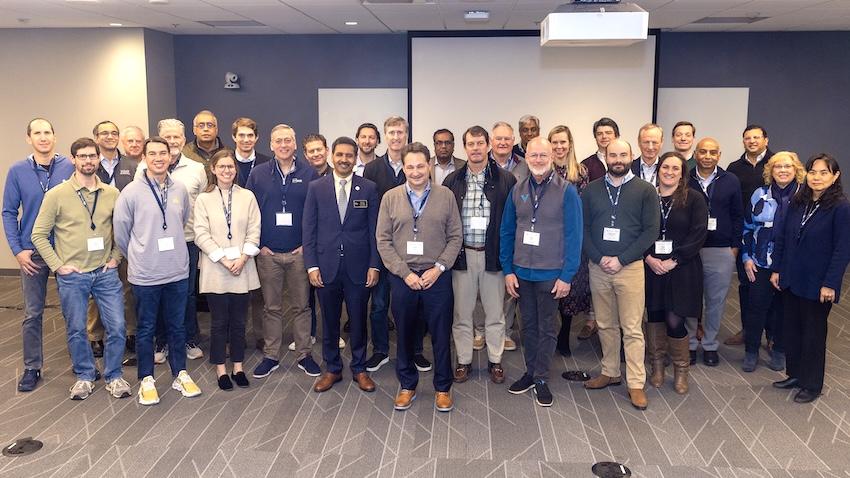
Nearly two dozen venture capital (VC) leaders based in Atlanta and the Southeast participated in a half-day summit at the College on Jan. 21.
Co-hosts Dean of Computing Vivek Sarkar and Noro-Moseley Partners General Partner Alan Taetle organized the invitation-only summit. Their goals were to:
- Showcase the College’s research strengths and entrepreneurial culture
- Deepen connections between academic innovation and startups
- Explore opportunities for collaboration, commercialization, and startup growth
The summit’s guest list included founders, partners, and leaders from VC firms. Many of these firms focus on early-stage startups in SaaS, fintech, cybersecurity, and other emerging technology markets.
Research with Commercial Impact
Sarkar outlined the College of Computing’s academic mission and research priorities during his opening remarks. He emphasized the College’s role in advancing innovation in cybersecurity, artificial intelligence (AI), and other emerging research areas.
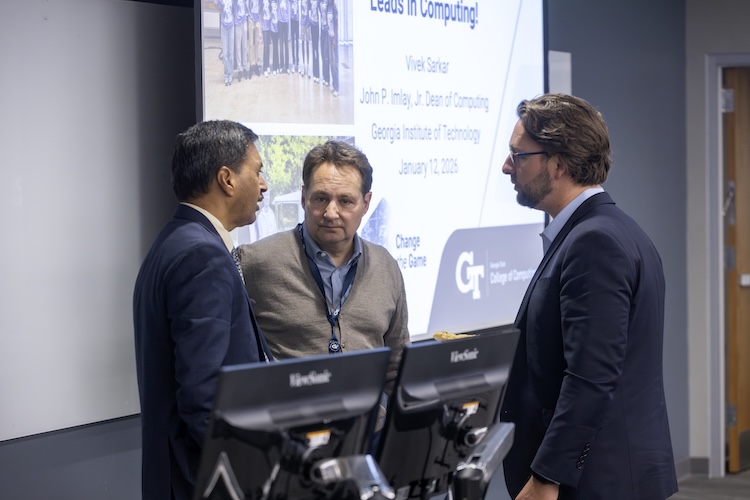
“One of the College’s strategic pillars is what I call ‘X to the power of Computing’,” Sarkar said. “Look at any discipline or industry X to see where they're innovating and where their advances are being made, and that’s where Computing meets that discipline.”
Along with remarks from the dean, the summit featured presentations highlighting Georgia Tech’s entrepreneurial ecosystem and College-led research initiatives with strong commercialization potential.
Expanding Support for Student Founders
Jen Whitlow leads Community Partnerships at Fusen, a global platform for student founders created by Atlanta philanthropist Christopher W. Klaus. She described Klaus’s support for student entrepreneurship, including GT Computing’s annual Klaus Startup Challenge. In 2025, Klaus awarded five winning teams $150,000 each to cover startup costs.
Whitlow also updated guests on Klaus’s commitment, announced in May 2025, to covering the incorporation costs for any graduating student who aspires to launch a startup.
“More than 600 graduates from last year’s Spring and Fall Commencements have accepted the gift, and more than 225 recent graduates have completed their incorporation to date,” Whitlow said. She added that a second cohort of Fall 2025 graduates is being processed over the next few weeks.
Offering an enterprise-level view, CREATE-X Rahul Saxena presented recent updates to commercialization at Georgia Tech and efforts to streamline entrepreneurial processes.
Saxena emphasized the launch of Velocity Startups, an accelerator that provides the resources and infrastructure student startups need to bring their innovations to market.
Building the Pipeline from Research to Startup
Following these updates, GT Computing faculty delivered lightning-round presentations highlighting the College’s research strengths in AI, cybersecurity, and high-performance computing.
“The tighter the local investing community is with Georgia Tech, the better off both are,” said Taetle, who has been a member of the College’s Advisory Board for more than 20 years.
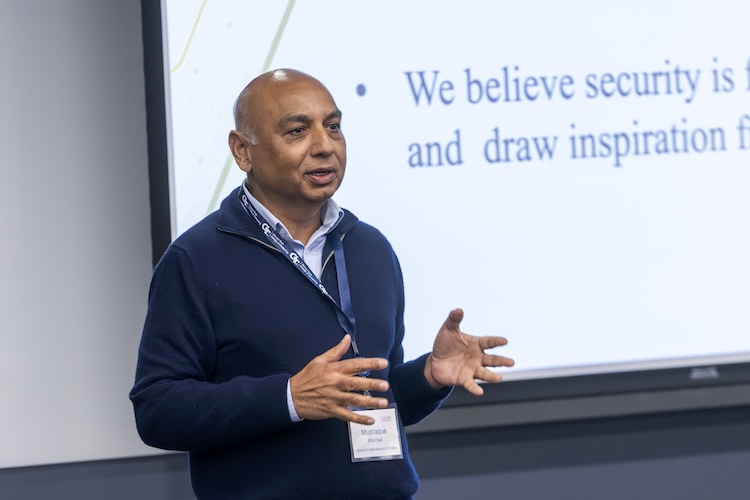
“It’s critical in this super-competitive world that we do everything that we can to support this fantastic university.”
Taetle added that the summit was part of a broader effort to strengthen the College’s entrepreneurial pipeline.
“There are some really big ideas here, which could turn into really big companies,” he said. “We’ve made some great strides on the commercialization front, but we still have that opportunity and challenge in front of us.”
The afternoon concluded with a discussion of next steps and engagement opportunities, led by Sarkar and Jason Zwang, GT Computing’s senior director of development. The discussion focused on research partnership opportunities, startup formation, and student involvement.
Zwang emphasized the importance of investing in Atlanta’s innovation ecosystem, citing the city’s strong fundamentals and pro-growth climate for entrepreneurship.
“This gives us a unique opportunity to start working more closely with the local VC community, and it’s also great for our students,” Zwang said.
Sarkar agreed, saying, “There’s no downside for students to get involved in a startup. It might take off and be a bonanza. If not, the experience makes you a more competitive hire because of the breadth of experience you gain at a startup.”
To foster these opportunities for students, Zwang said that a key priority is to establish earlier, more intentional connections among students, startups, and investors.
“This is a pivotal moment,” he said. “We can determine how to connect students with the VC and startup community earlier and ensure these investors remain involved with the College.”
College leaders said the summit underscored Computing’s commitment to fostering an entrepreneurial culture and to building lasting relationships that can help accelerate the real-world impact of its research beyond the Institute.
“Georgia Tech is a force multiplier for entrepreneurship,” said Sarkar. “We’re here to change the world. We want to inspire a culture of bold, big entrepreneurial thinking, and look forward to the next steps that will follow this VC summit.”